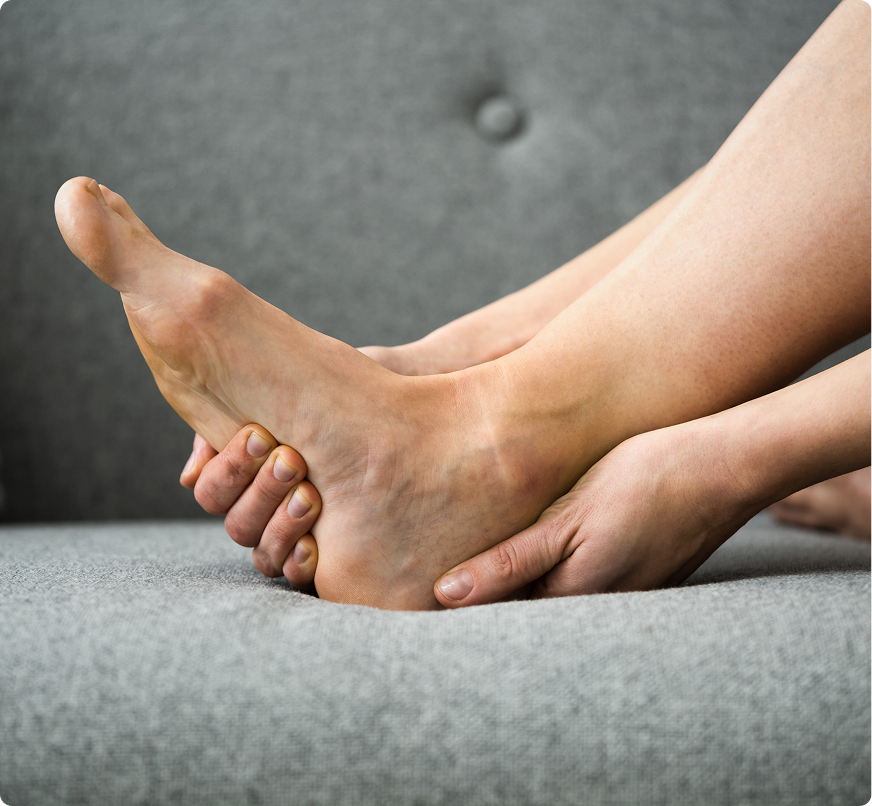
Achilles Tendinitis Treatment
in Novi, Southfield, Howell, and Livonia, MI

Achilles tendon injuries can be extremely painful. We are here to help with the best Achilles tendon treatments available! If you suffered an injury to your Achilles tendon, the doctors at Foot HealthCare Associates can treat your foot and ankle injuries.

What Is the Achilles Tendon?

The Achilles tendon connects the lower leg muscles and calf to the heel of the foot. It is the strongest tendon in the human body and is essential for movement. Because this tendon is such an integral part of the body, any injury to it can cause severe difficulties and should be presented to a doctor immediately, such as a board-certified podiatrist specializing in these injuries.

What Are the Symptoms of an Achilles Tendon Injury?

There are various types of injuries that can affect the Achilles tendon. The two most common are Achilles tendinitis and ruptures of the Achilles tendon.
  • Inflammation
  • Dull to Severe Pain
  • Increased blood flow to the tendon
  • Thickening of the tendon
  • Extreme pain and swelling in the foot
  • Total immobility

Initial Consultation & Diagnosis

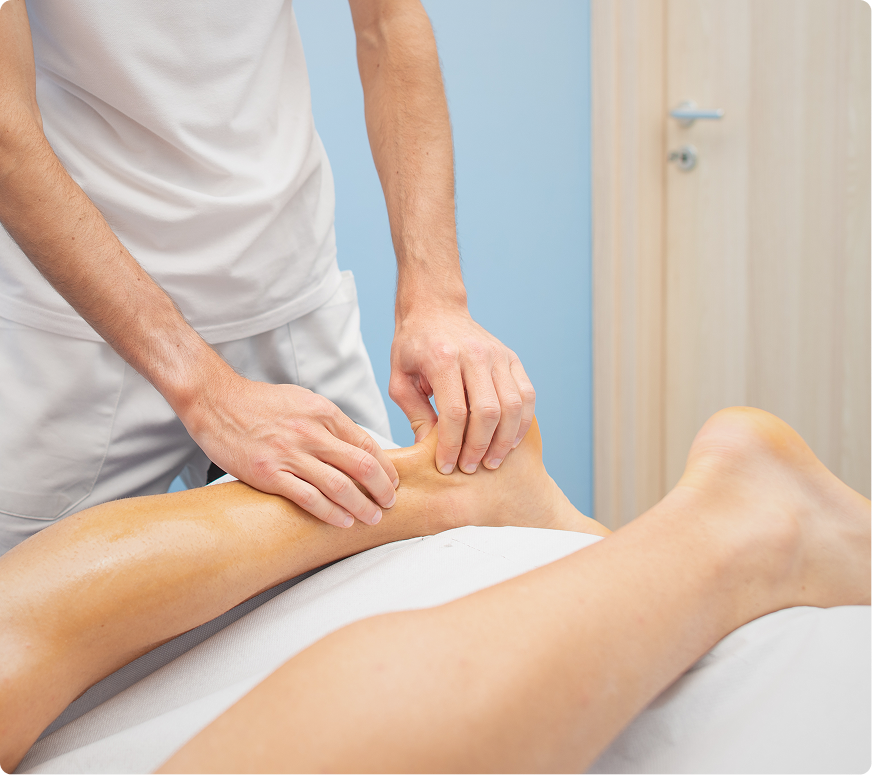
Achilles tendon injuries are diagnosed through a physical examination, where our doctor evaluates your foot and ankle for pain, swelling, and range of motion. To ensure an accurate diagnosis, imaging tests such as an MRI may also be ordered. Based on the findings, our team will develop customized treatment plans tailored to your specific injury, lifestyle, and recovery goals, helping you return to normal activities safely and effectively.
Non-Surgical Treatments

One of the first steps in treating Achilles tendon injuries is rest. Using the RICE method helps reduce inflammation, control pain, and prevent further damage. By allowing the tendon time to recover, RICE lays the foundation for successful healing and prevents minor injuries from worsening.
Rehabilitation through physical therapy is essential for restoring strength, flexibility, and range of motion in the Achilles tendon. Targeted exercises and stretches are designed to support healing while gradually returning you to normal activities, reducing the risk of future injuries.
Shockwave therapy promotes natural healing in the Achilles tendon, making it especially effective for chronic injuries or a partial tear. By stimulating blood flow and tissue regeneration, this therapy can reduce pain and speed up recovery without the need for surgery.
Laser therapy uses focused light energy to reduce inflammation, improve circulation, and accelerate tissue repair. This non-invasive treatment helps relieve pain and supports faster recovery for Achilles tendon injuries.
Custom orthotics provide support and proper alignment for the foot, reducing strain on the Achilles tendon. By redistributing pressure and improving biomechanics, orthotics can prevent further injury and aid in a more comfortable, effective recovery.
Platelet-Rich Plasma (PRP) injections use your body’s own platelets to stimulate healing in the damaged Achilles tendon. This treatment encourages tissue regeneration, reduces inflammation, and can accelerate recovery for chronic or severe tendon injuries.

Surgical Treatments

Achilles tendon repair is a surgical procedure used to treat a complete Achilles rupture or a severely torn tendon. During the procedure, the damaged tendon is carefully stitched back together to restore strength and function, allowing patients to regain mobility and safely return to their daily activities.
Achilles debridement involves removing damaged or inflamed tissue from the tendon to promote healing and reduce pain. This procedure helps restore the tendon’s normal structure and function, preventing further injury and supporting a smoother recovery process.
Ankle arthroscopy is a minimally invasive surgery that allows the doctor to examine and treat issues inside the ankle joint using smaller incisions. This approach reduces recovery time, minimizes scarring, and helps address tendon or joint problems effectively with less disruption to surrounding tissues.

Who Is Typically Affected by Achilles Tendinitis?

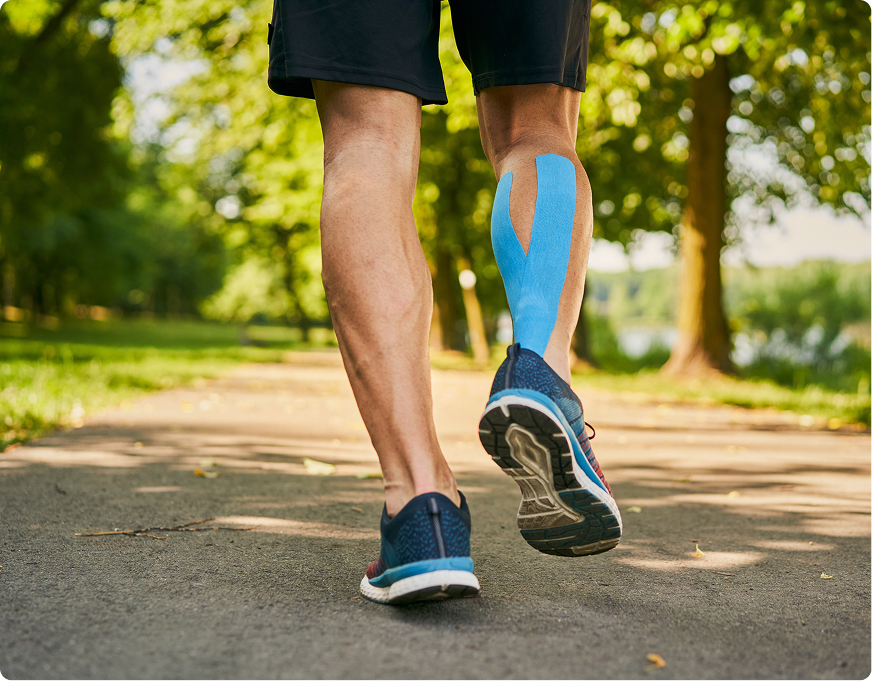
Achilles tendinitis commonly occurs in individuals who participate in recreational sports activities that involve running or repetitive stress on the tendon. People affected may experience difficulty walking, stiffness, or pain in the back of the heel, especially during or after physical activity. While it often affects athletes, anyone who places frequent strain on the Achilles tendon can develop this condition.

Benefits of Achilles Tendinitis Treatment

  • Reduces pain and inflammation in the Achilles tendon
  • Restores strength, flexibility, and range of motion
  • Prevents further injury or tendon rupture
  • Speeds up recovery and return to daily activities
  • Improves mobility and walking comfort
  • Supports safe participation in sports and physical activities

Cost of Achilles Tendinitis Treatment in Michigan

The cost of Achilles tendinitis treatment in Michigan typically ranges from $200 to $2,500, depending on the severity of the injury and the treatments required. During your physical exam and any necessary imaging tests, our doctors will determine whether non-surgical options like corticosteroid injections are appropriate or if more advanced care is needed for a complete rupture. Your personalized treatment plan will outline the recommended procedures and associated costs, ensuring you understand your options before moving forward.

Restore Your Comfort and Mobility with Professional Ankle Care

The Achilles tendons are thick and powerful bands of fibrous tissue. They connect your calf muscles to your heel bones. The tendons help you walk, run, and jump. And that means they are under a lot of stress, making Achilles tendon injuries common.  Foot HealthCare Associates can help you determine what Achilles tendon treatments are best for you.
If you have any questions about Achilles tendon treatments, please contact one of our offices at four convenient service locationsSouthfield/Bingham FarmsNovi, Howell, and Livonia.

FAQs

Yes, Achilles tendonitis can lead to chronic pain if left untreated. The Achilles tendon connects the calf muscles to the heel, and repetitive stress or injury can cause a gradual increase in pain and stiffness. Without proper care, this condition may result in long-term damage to the tendon, affecting mobility and daily activities.
An Achilles tendon rupture is a serious injury because it involves the largest tendon in the body. Prompt treatment is essential to restore strength and function, prevent permanent weakness, and reduce the risk of further complications.
Surgical procedures for Achilles tendon repair are performed under anesthesia, so the procedure itself is not painful. After surgery, some soreness and tenderness are normal, but pain is typically managed with medication and proper post-operative care.
After surgery, most patients wear a walking boot to protect the tendon. Initial care focuses on strategies to reduce swelling, such as elevating the leg, resting, and applying ice. Over the next several weeks, patients follow a structured plan of exercises and a gradual return to normal activities. Mild discomfort is common, but with adherence to the rehabilitation program, patients can regain strength and mobility safely.

Schedule Your Appointment Today!

At Foot HealthCare Associates, we provide patient-centered care to help you reduce pain and recover from Achilles tendon injuries effectively. During your visit, our team will perform a thorough evaluation to determine the best treatment plan for your needs. All information provided is for educational and information purposes to help you make informed decisions about your care. Contact us today to start your journey toward healing and achieving the best possible outcome for your foot and ankle health.