Neuroma Treatment in
Novi, Southfield, Howell, Livonia, MI

If you’re experiencing a sharp pain in the ball of your foot or a persistent feeling that something is bunched up inside your shoe, you may be dealing with a neuroma. At Foot HealthCare Associates, with locations in Novi, Southfield, Howell, and Livonia, we provide accurate diagnosis and effective treatment for neuromas, helping you find relief and get back to the activities you enjoy.
Whether your condition is in its early stages or has been causing discomfort for some time, our experienced team will identify the underlying cause and build a personalized treatment plan tailored to your needs.

What Are Neuromas?

Neuromas are benign (non-cancerous) growths of nerve tissue, often developing in the foot due to irritation, compression, or trauma to the nerves. These growths, while not malignant, can cause significant pain and discomfort, particularly during weight-bearing activities. Understanding the intricate nerve anatomy of the foot is crucial for diagnosing and effectively treating neuromas, ensuring precise care for this common condition.

Common Types of
Neuromas

Morton's Neuroma

The most prevalent type of neuroma affecting the foot is Morton’s neuroma, which typically forms between the third and fourth toes. This condition occurs when the nerve passing between the metatarsal bones becomes compressed and inflamed, leading to the development of fibrous tissue around the nerve. While Morton’s neuroma is the most frequently encountered, other interdigital neuromas can also occur between different toes.
Hauser’s neuroma involves irritation of a nerve along the inner aspect of the foot, sometimes linked to biomechanical imbalances or overuse. Individuals may experience aching or burning sensations that can radiate along the foot. Proper foot support and addressing underlying structural issues are often key to managing symptoms.
Joplin’s neuroma affects the medial plantar digital nerve near the big toe. It is commonly linked to conditions like bunions or prolonged pressure on the inner foot. Symptoms include tingling, numbness, or sharp pain around the base of the big toe, often worsening with walking or tight shoes.

Common Causes of Neuromas

The foot contains a complex network of nerves that supply sensation to the toes and sole. These nerves run between the long bones of the foot (metatarsals). When subjected to excessive pressure, friction, or trauma – often from tight shoes, abnormal foot structure, or repetitive stress – the protective tissue around these nerves can thicken and enlarge, forming a neuroma. This enlargement irritates the nerve further, leading to the characteristic symptoms.

Differentiating Neuromas From Other Tumors

It is important to differentiate neuromas from other types of tumors or growths that can occur in the foot. Neuromas are specifically benign nerve tissue enlargements, not cancerous masses. A thorough diagnostic process, including physical examination and imaging studies, is essential to accurately identify a neuroma and rule out other conditions, such as cysts, lipomas, or other soft tissue masses that may present with similar symptoms.

Common Symptoms and Diagnostic Criteria

Patients with neuromas often experience a range of uncomfortable symptoms. These typically include:
Pain often worsens with activity or wearing tight shoes and may be relieved by removing shoes and massaging the foot. Diagnosis usually involves a physical examination, where the doctor can often feel a click between the bones, known as Mulder’s sign, along with medical history and, potentially, imaging such as ultrasound or MRI to confirm the diagnosis and rule out other conditions.

Non-Surgical Management and Observation

For many patients, non-surgical approaches are the first-line treatment for neuromas. These conservative methods aim to reduce pressure and inflammation on the affected nerve. Options include:

Surgical Approaches for Neuroma Removal

When conservative treatments fail to provide adequate relief, surgical intervention may be considered. The most common surgical procedure for a neuroma is a neurectomy, where the affected portion of the nerve is removed. This can be performed through an incision on the top of the foot (dorsal approach) or on the sole of the foot (plantar approach), depending on the surgeon’s preference and the location of the neuroma. The goal is to eliminate the source of pain by excising the enlarged nerve tissue.

Emphasis on Safety and Function

Every treatment plan prioritizes patient safety and the preservation of optimal foot function. For neuroma treatment, this means carefully considering the least invasive yet most effective options first. If surgery is required, our board-certified podiatrists employ meticulous techniques to remove the neuroma while minimizing damage to surrounding tissues and nerves, thereby ensuring a safe procedure and the best possible functional outcome for your foot.

What to Expect During the Procedure

Your visit to Foot HealthCare Associates for corns and calluses treatment is designed to be comprehensive and comfortable .

Recovery and
Postoperative Care

Following neuroma surgery, a period of recovery is necessary. You will likely experience some swelling and discomfort, which can be managed with pain medication and ice. You may need to wear a surgical shoe or boot to protect the foot and limit weight-bearing for a few weeks. Our team will provide detailed instructions on wound care, activity restrictions, and when you can gradually return to normal activities. Physical therapy may be recommended to help restore strength and flexibility to the foot.

Expected Results and Long-Term Outlook

The goal of neuroma treatment is to alleviate pain and restore comfortable foot function. Many patients experience significant relief from their symptoms following successful treatment, whether conservative or surgical. While recurrence is possible, it is not common. Our team will discuss the expected outcomes based on your specific condition and help you understand the long-term outlook, empowering you to maintain foot health and prevent future issues.

Candidates for Neuroma Treatment

Candidates for neuroma treatment include individuals experiencing persistent foot pain, numbness, or burning sensations between their toes that interfere with daily activities. This includes those whose symptoms have not improved with conservative measures like wider shoes, padding, or rest. People who frequently engage in activities that put pressure on the forefoot, or those with certain foot deformities, are also common candidates. A consultation with our specialists will determine the most appropriate course of action.

Understanding the Cost
of Neuroma Treatment in Michigan

The cost of neuroma treatment in Novi, Southfield, Howell, and Livonia can vary significantly depending on the specific type of treatment required, from conservative therapies to surgical intervention. Generally, you can expect a range of $500–$5,000, though this is a broad estimate. Pricing varies based on the complexity of your condition, the chosen procedure, and individual insurance coverage.
We recommend scheduling a consultation for a personalized quote tailored to your unique needs.

Find Lasting Relief from Neuroma Pain at
Foot Healthcare Associates

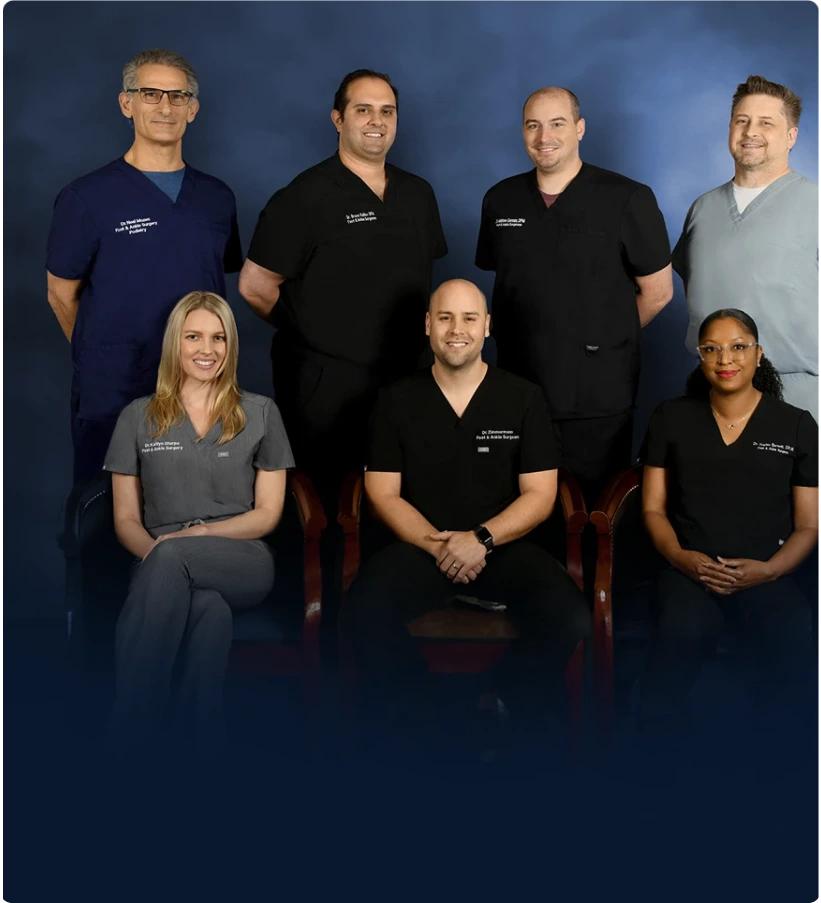
Our practice boasts board-certified podiatrists, including Dr. Neal Mozen, who is recognized as an Hour Detroit ‘Top Doc’ and specializes in advanced techniques. Dr. Tyler Zimmermann, Dr. Thomas Belken, Dr. Bruce Kallou (a dual-board certified podiatric surgeon), Dr. Sophia Barnett-Sobowale, Dr. Kaitlyn Sharpe, Dr. Matthew German, and Dr. Greg Sheremeta all bring extensive expertise to our comprehensive approach to foot and ankle care. We utilize cutting-edge diagnostic technology and offer a full spectrum of treatment options, from conservative management to advanced surgical solutions. Our commitment to patient-centered care ensures you receive a personalized treatment plan focused on achieving lasting relief and optimal foot function.

Frequently Asked Questions

Neuromas are typically caused by repetitive compression, irritation, or trauma to the nerves between the metatarsal bones in the foot. Factors like tight shoes, high heels, abnormal foot mechanics, and certain activities can contribute to their formation.
While mild nerve irritation may resolve with rest and conservative measures, a true neuroma (an enlarged nerve) typically does not resolve on its own. Treatment is usually required to alleviate symptoms and reduce the size of the neuroma.
Recovery time varies, but generally, patients can expect to be in a surgical shoe or boot for 2-4 weeks. Full recovery and return to normal activities, including more strenuous exercise, can take several weeks to a few months, depending on individual healing and the extent of the surgery.
Yes, many non-surgical options are available and often tried first. These include shoe modifications, custom orthotics, padding, anti-inflammatory medications, and corticosteroid injections. Our team will explore all conservative approaches before recommending surgery.
Say Goodbye to Neuroma Pain