Freiberg’s disease can cause persistent forefoot pain, stiffness, and difficulty walking, making everyday activities challenging and uncomfortable. Patients often seek treatment when conservative measures like rest, orthotics, or anti-inflammatory therapies fail to relieve symptoms or prevent progression of the condition. Our team at Foot HealthCare Associates specializes in diagnosing and treating Freiberg’s disease, providing targeted solutions to reduce pain, restore mobility, and protect the long-term health of your foot.
Freiberg’s disease is a condition that affects the metatarsal bones in the forefoot, most commonly the second metatarsal, leading to pain, inflammation, and joint damage. It usually begins as a pain in the ball of a child’s foot; its onset is often linked to an injury to the growth plate of one of the long bones behind the toes called metatarsals. This disorder is most frequently seen in adolescents aged 13 to 15. It is three times as likely to occur in females as compared to males. The pain results from a loss of blood flow to the growth plate in the bone.
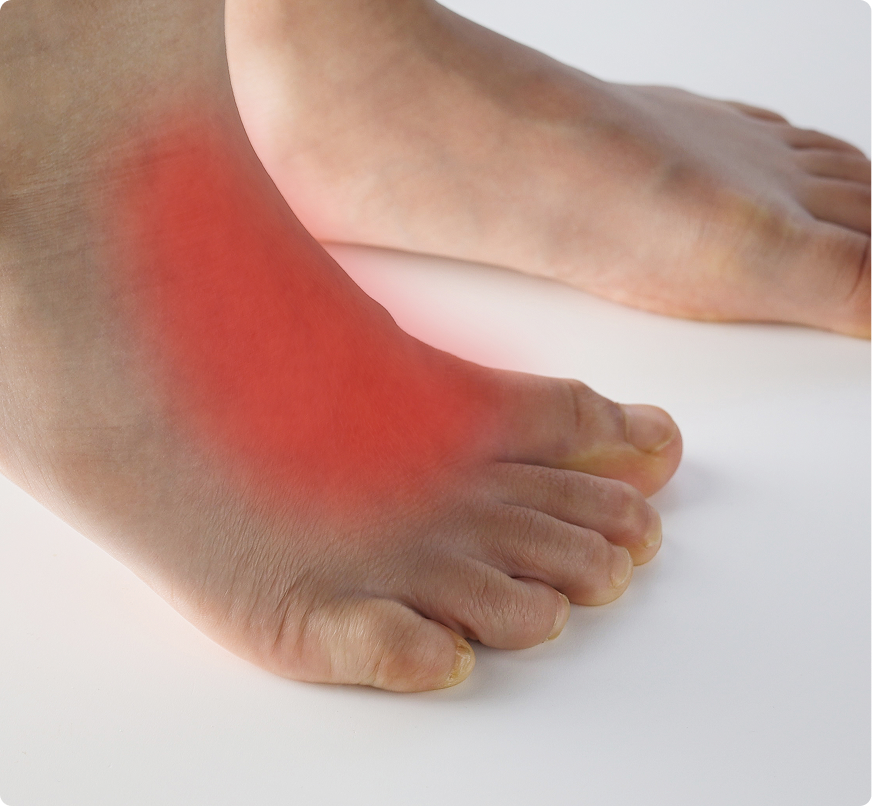
Treatment consists of reducing pressure under the affected bone. This may include anything from using crutches to a custom insole for the shoe, called an orthotic.
Immobilization is often one of the first treatment options for Freiberg’s disease, especially in the early stages. By limiting movement of the affected foot with a walking boot or cast, pressure on the metatarsal joint is reduced, allowing inflammation to calm and the bone to heal. This approach can help relieve pain and prevent further joint damage.
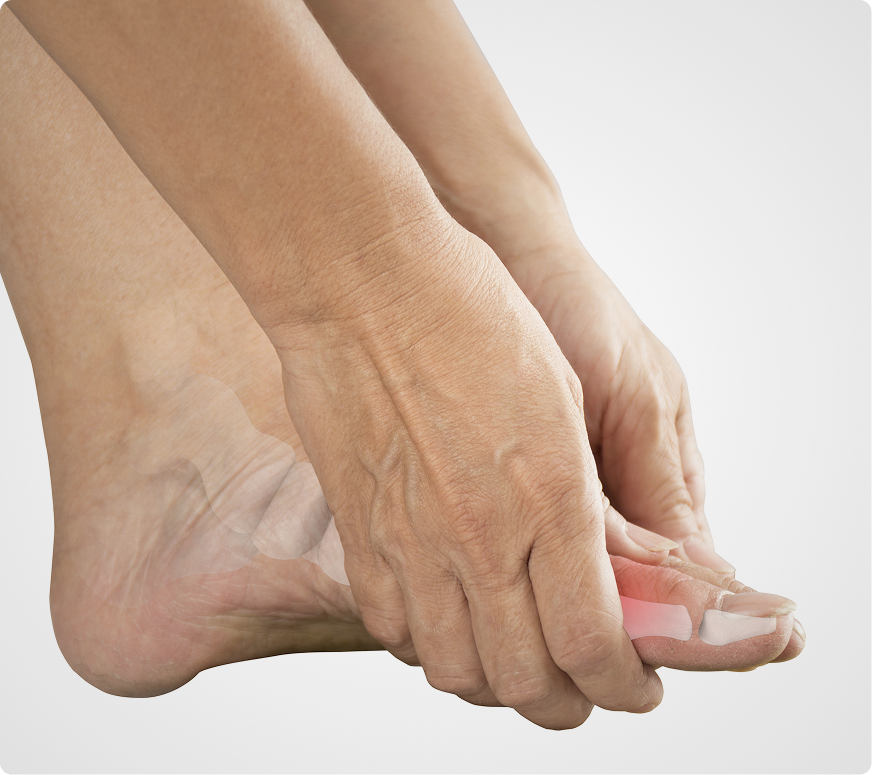
Treatment duration for Freiberg’s disease varies depending on the severity of the condition and the type of care required, but many patients begin to notice improvement within 6 to 8 weeks of conservative treatment. Immobilization, activity modification, and orthotics are often used during this period to reduce stress on the affected joint and support healing. Physical therapy may extend treatment to 8–12 weeks to restore strength and mobility. In more advanced cases requiring surgery, recovery can take several months, with a gradual return to normal activities over 3 to 6 months. Throughout treatment, consistent follow-up care helps track progress and supports long-term foot health.
Candidates for Freiberg’s disease treatment can vary by age, as symptoms and progression often differ between groups.
Adolescents and teenagers commonly seek care due to forefoot pain and swelling related to growth changes or increased athletic activity, and early treatment can help prevent long-term joint damage.
Young adults may pursue treatment when repetitive stress leads to worsening pain, stiffness, or stress fractures that interfere with work, sports, or daily movement.
Older adults often become candidates when chronic symptoms reduce foot function or when joint degeneration progresses, making walking uncomfortable and limiting mobility.
Across all age groups, timely treatment is important for relieving pain and maintaining healthy foot mechanics.


The cost of Freiberg’s disease treatment in Michigan typically ranges from approximately $200 to $2,500 or more, depending on the extent of care needed and whether advanced imaging, custom orthotics, physical therapy, or surgical intervention is involved. Initial consultations and basic conservative treatments, such as immobilization and orthotics, tend to fall at the lower end of the range, while surgical procedures and comprehensive rehabilitation can increase overall expenses.
Yes, Freiberg’s disease can sometimes contribute to other foot problems if left untreated. Altered walking patterns and forefoot pressure can strain the soft tissues, leading to conditions such as plantar fasciitis. In some cases, the way the foot compensates for pain may also affect the big toe or increase pressure on surrounding areas, potentially worsening ingrown toenails. Early diagnosis and treatment help prevent these secondary complications and protect the foot’s overall health and function.