Hallux Rigidus Treatment
in Novi, Southfield, Howell, and Livonia, MI

Hallux rigidus can make even simple daily activities painful, leaving patients frustrated by stiffness, swelling, and limited mobility in the big toe joint. Many seek treatment because walking, exercising, or wearing shoes has become uncomfortable, and over-the-counter remedies no longer provide relief.
Foot HealthCare Associates offers comprehensive evaluation and personalized treatment options designed to restore movement, reduce pain, and improve quality of life for individuals dealing with this condition in Novi, Southfield, Howell, and Livonia, MI.

What Is Hallux Rigidus?

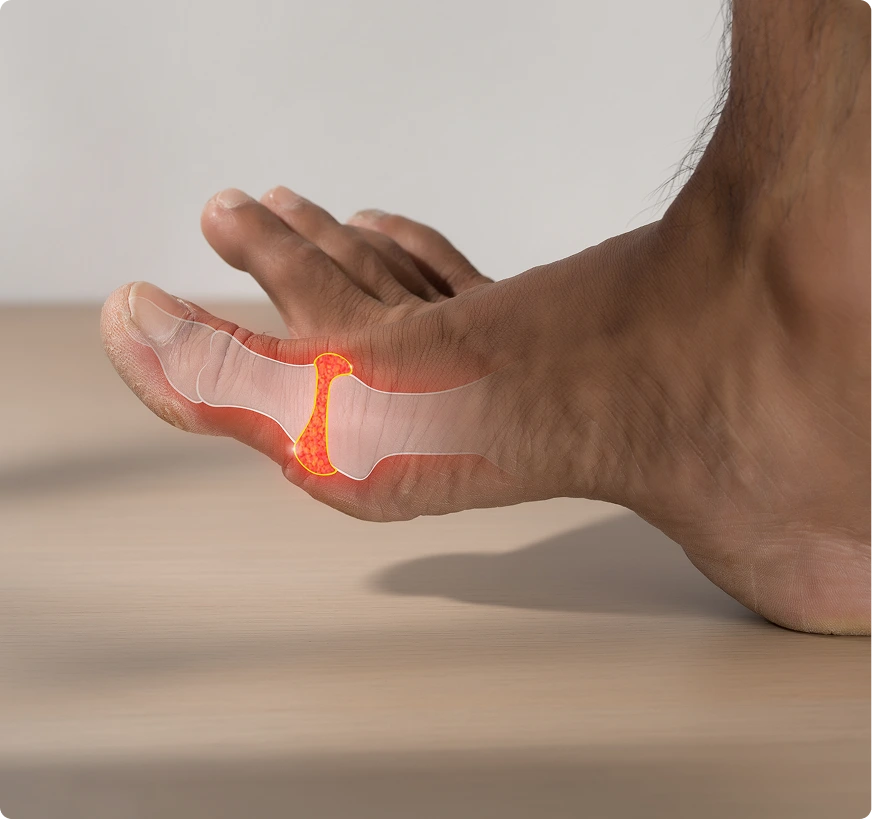
Hallux rigidus is a painful condition that affects the joint at the base of the big toe, often caused by arthritis or wear and tear over time. This condition can limit the toe’s movement and make daily activities uncomfortable. Treatment focuses on managing symptoms and supporting the proper function of the joint, which connects to the metatarsal bones of the foot. Approaches can include non-surgical and surgical options, each aimed at improving mobility and reducing discomfort in the affected area.
What Is Hallux Rigidus Treatment Novi, MI Banner

Causes of Hallux Rigidus

Hallux rigidus often develops from degenerative wear and tear in the big toe joint, a process known as osteoarthritis. Over time, the cartilage that cushions the joint breaks down, leading to stiffness, swelling, and a painful condition that can become severe if left untreated.
Rheumatoid arthritis can cause hallux rigidus by triggering inflammation in the joints, including the big toe. This chronic autoimmune condition gradually damages joint tissue, contributing to pain, swelling, and limited movement in the affected area.
Trauma to the big toe, such as fractures or sprains, can increase the risk of hallux rigidus. Injuries that damage the joint can accelerate wear and tear or alter the joint’s alignment, leading to pain and stiffness over time.
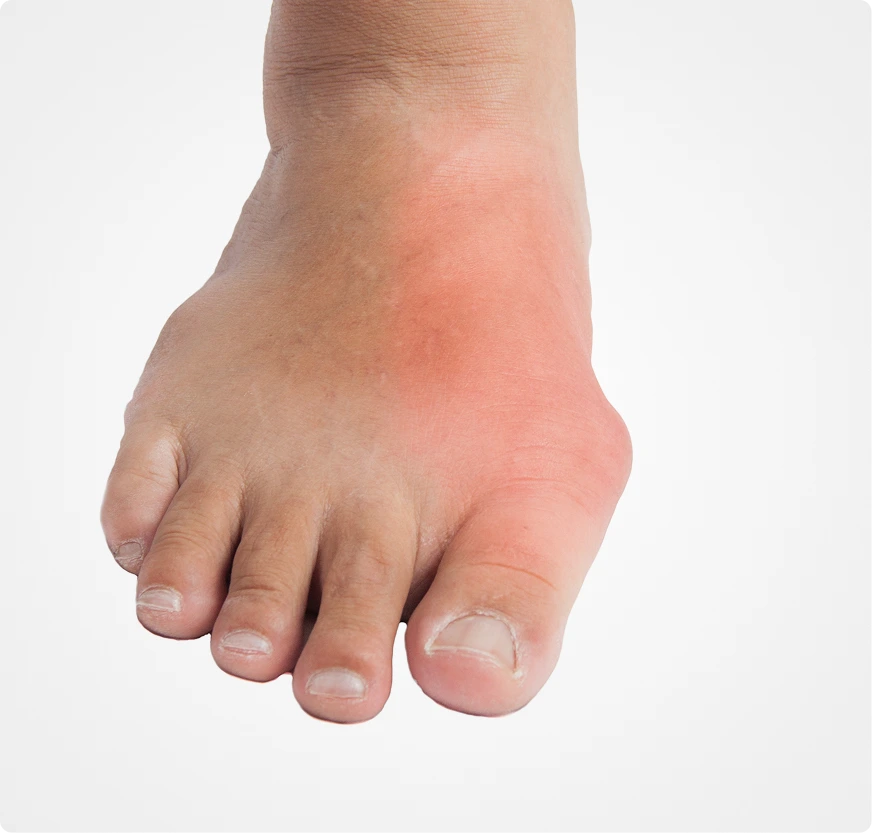
A bunion deformity can contribute to hallux rigidus by changing the mechanics of the big toe joint. The misalignment caused by the bunion places extra stress on the joint, which may lead to stiffness, inflammation, and long-term discomfort.
Wearing improper footwear can aggravate hallux rigidus, especially in individuals with structural abnormalities in their feet. Shoes that do not provide adequate support or restrict natural toe movement can increase pressure on the joint, leading to pain and reduced mobility.

Our Treatment Options

Laser therapy is a nonsurgical treatment that targets the big toe joint to help reduce pain and stiffness. This approach uses focused light energy to promote healing and improve joint function without the need for invasive procedures.

PRP injections involve using a patient’s own platelet-rich plasma to support tissue repair in the affected joint. This treatment aims to stimulate healing and decrease discomfort in the big toe over time.

Shockwave therapy can help relieve symptoms of hallux rigidus, particularly in the early stages of the condition. It uses high-energy sound waves to stimulate blood flow, reduce pain, and support joint recovery.

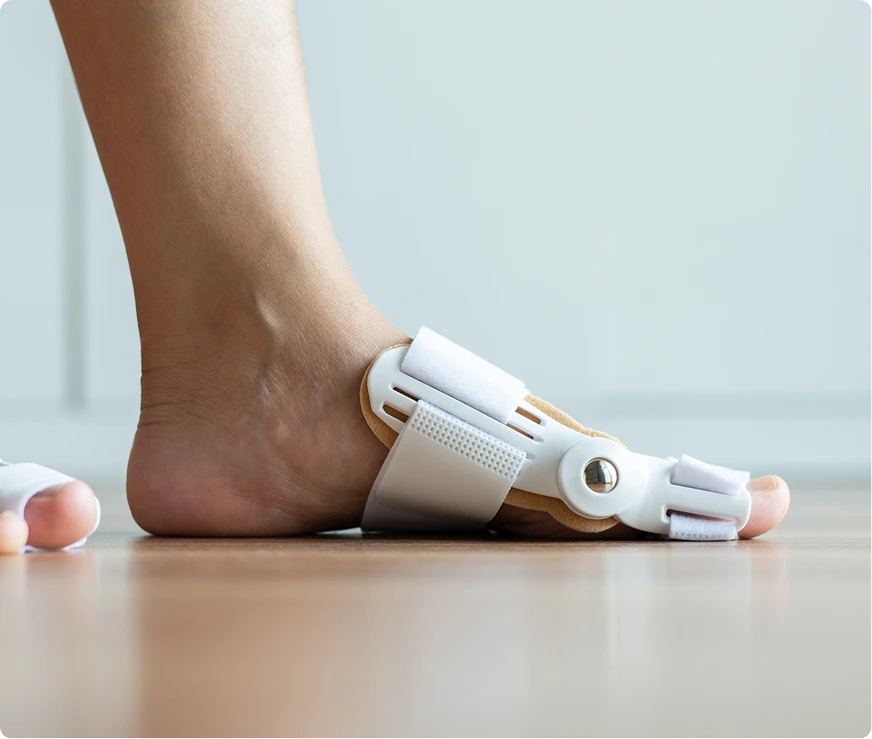
Custom orthotics are specially designed shoe inserts that help redistribute pressure on the foot and improve alignment. These shoe inserts can relieve stress on the big toe joint and enhance comfort during daily activities.
Cortisone injections are used to reduce inflammation in the affected joint, providing temporary relief from pain and swelling. This treatment can help manage symptoms while other therapies are pursued.
Surgical treatments are considered when nonsurgical options are no longer effective. Procedures may include total joint replacement or a synthetic cartilage implant to restore movement, reduce pain, and improve joint function in the big toe.
Our Treatment Options Hallux Rigidus Surgery Novi, MI Banner

Recovery After Hallux Rigidus Treatment

Recovery after hallux rigidus treatment varies depending on the approach used, but most patients notice gradual improvements in mobility and comfort over time. Nonsurgical treatments may require only minimal downtime, while surgical options often involve several weeks of rest, limited weight-bearing, and gradual physical therapy to regain strength and range of motion. Following the recommended post-treatment plan, most patients can return to daily activities and maintain better joint function while managing discomfort effectively.

Candidates for Hallux Rigidus Treatment

Candidates for hallux rigidus treatment typically include individuals who experience persistent pain or stiffness in the big toe joint, which limits their daily activities. People with a history of ankle injuries or other foot trauma may be more susceptible, as these events can affect the joint surface between the two bones in the big toe area. Individuals with damaged cartilage or signs of degenerative disease often experience difficulty walking or performing activities that put pressure on the joint. Treatment may be recommended for patients who experience reduced motion, chronic discomfort, or structural issues that impair normal foot function.
Candidates for Hallux Rigidus Treatment in Novi, MI Banner

Benefits of Hallux Rigidus Treatment

  • Reduces pain and discomfort in the big toe joint
  • Improves mobility and range of motion
  • Helps prevent further damage to the joint
  • Enhances the ability to walk, exercise, and perform daily activities
  • Supports long-term joint health and function
Cost of Hallux Rigidus Treatment in Novi, Southfield, Howell, and Livonia, MI Banner

Cost of Hallux Rigidus Treatment in Novi, Southfield, Howell, and Livonia, MI

The cost of hallux rigidus treatment in Novi, Southfield, Howell, and Livonia, MI, typically ranges from $1,500 to $7,500, depending on the type of procedure and complexity of care. Co-occurring conditions, such as plantar fasciitis and infections, can influence the overall price and may require additional treatment. Most surgeons tailor their approach to each patient’s needs, which can impact costs; therefore, it is essential to consult with a specialist to understand the options and expected expenses.
Schedule your appointment at Foot HealthCare Associates today!
Relieve Pain in Your Big Toe Joint Today Banner

Relieve Pain in Your Big Toe Joint Today

If you are experiencing stiffness or discomfort in your big toe joint, our doctors can provide a thorough evaluation to identify the underlying cause of your pain. Using X-rays and other diagnostic tools, we can make an accurate diagnosis and recommend personalized treatment options designed to restore mobility and improve comfort. Early intervention can help manage symptoms effectively and support long-term joint health.

FAQs

Hallux limitus is an early stage of a stiff big toe where the joint has limited motion, while hallux rigidus is more advanced and involves severe stiffness that significantly affects foot function. Hallux limitus may develop gradually over time, and if left untreated, it can progress into hallux rigidus, leading to more pronounced pain and mobility issues.
Yes, hallux rigidus can often be managed with minimally invasive procedures depending on the severity of the condition. These treatments aim to reduce pain, restore joint mobility, and address structural issues without the need for extensive surgery.
If left untreated, hallux rigidus can lead to additional foot and ankle problems. As the condition progresses, bone spurs (bony bumps) may form and cause irritation to surrounding skin or soft tissue. Patients may also develop calluses or corns on the tops of the toes or heels due to altered walking patterns and difficulty bending the big toe.