
Hammertoe Treatment
in Novi, Southfield, Howell, and Livonia, MI

Hammertoes can cause persistent pain, difficulty walking, irritation from shoes, and unsightly toe deformities, leading many patients to seek effective treatment options. Foot HealthCare Associates offers comprehensive hammertoe care designed to relieve discomfort, restore proper toe alignment, and improve overall foot function. Whether conservative measures have failed or the condition has progressed, patients turn to our team to address both the physical pain and the limitations that hammertoes can impose on daily life.

Our approach focuses on individualized care to help patients regain comfort, mobility, and confidence in their feet.

What Is a Hammertoe?
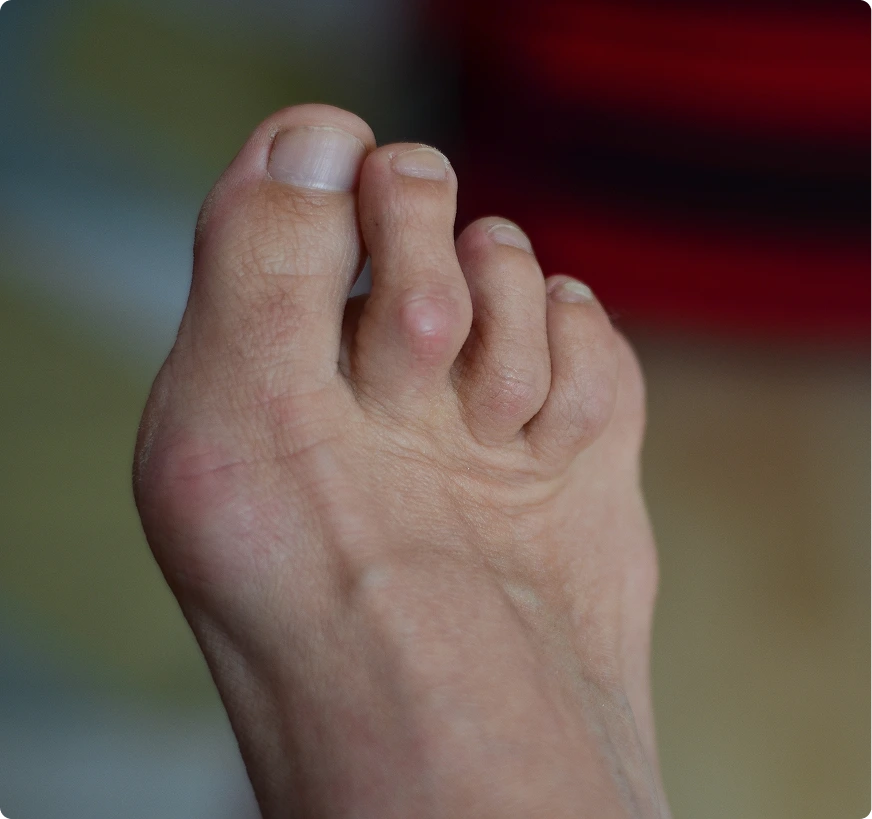
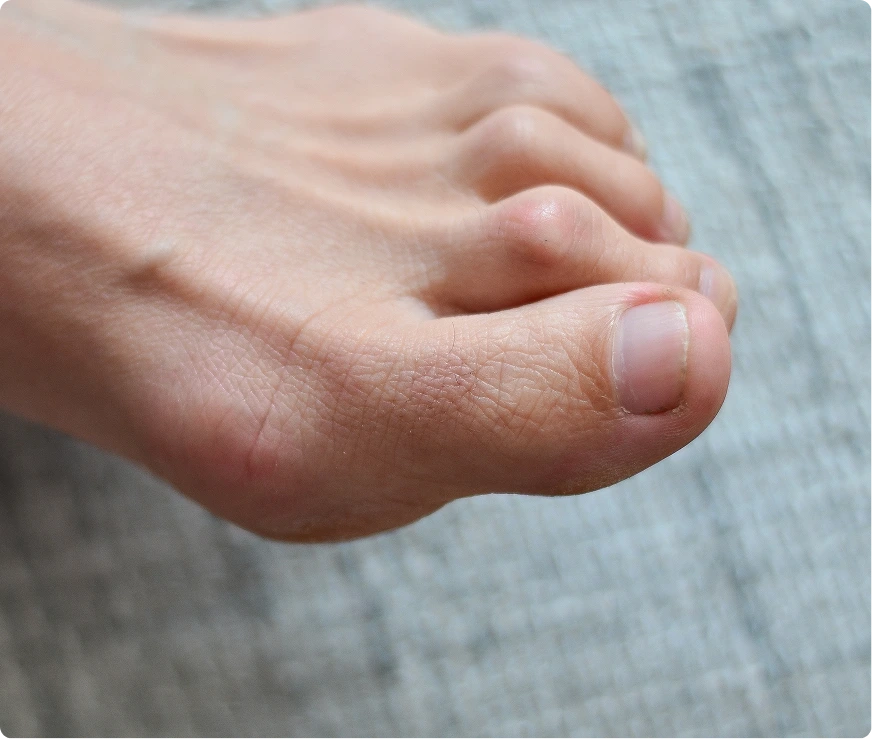
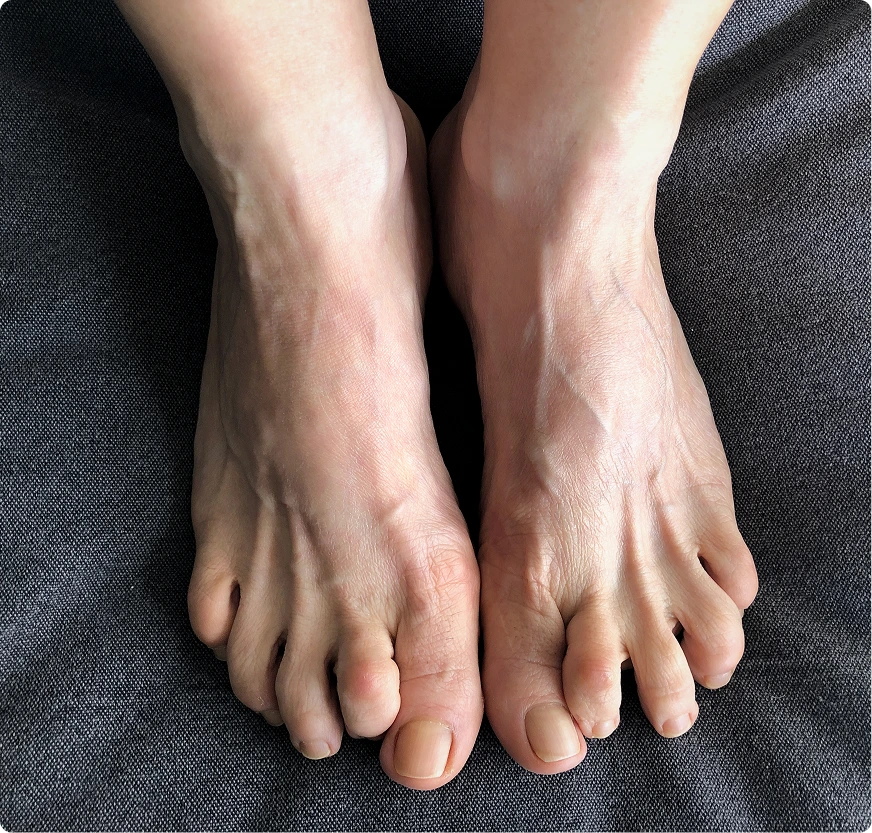
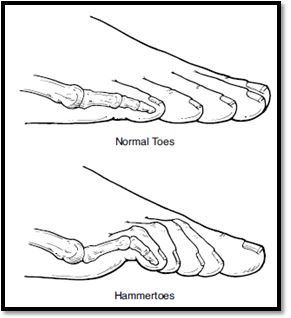
A hammertoe is a deformity that affects the toes, causing them to bend in a way that resembles the shape of a hammer. This condition typically occurs when there is an imbalance in the muscles, tendons, or ligaments that normally hold the toe in a straight position. Over time, the toe may curl downward at the middle joint, making it difficult to wear certain shoes comfortably and sometimes causing pain or irritation. Early intervention, including proper footwear and exercises, can help manage symptoms, while more severe cases may require medical treatment or surgery.

What Causes Hammertoes?

Hammertoes can develop when shoes do not fit properly, especially those that are too tight, narrow, or have high heels. These types of shoes force the toes into a bent position, which over time can lead to the toes permanently curling and causing discomfort. Wearing shoes that allow the toes to move freely can help prevent this condition.
Muscle imbalances in the foot can contribute to the development of hammertoe. When the muscles and tendons that control toe movement are out of balance, some toes may be pulled into a bent position, increasing the risk of developing a deformity that resembles the shape of a hammer. Stretching and strengthening exercises can sometimes reduce this risk.

Sports injuries, such as sprains, fractures, and strains, can also contribute to the development of hammertoes. Damage to the ligaments, tendons, or bones in the toes from these injuries can disrupt normal alignment, leading to the toe curling downward at the joint. Prompt treatment of foot injuries may help prevent long-term deformities.

Arthritis can contribute to the development of hammertoes by causing joint inflammation and damage to the affected area. Over time, this can lead to stiffness, deformity, and imbalance in the muscles and tendons surrounding the toe, causing it to curl into the classic hammer-like shape. Managing arthritis symptoms is essential to reduce the risk of hammertoes.

People with diabetes are at higher risk for hammertoes due to diabetic foot problems, including nerve damage and poor circulation. These issues can affect muscle control and sensation in the feet, making toes more likely to bend abnormally and develop deformities over time. Regular foot care and monitoring are essential for prevention.

Our Treatment Options

Custom orthotics are specially designed shoe inserts that help correct the alignment of the toes and redistribute pressure on the foot. By supporting the arch and guiding the toes into a more natural position, orthotics can reduce pain and slow the progression of hammertoes, making walking and daily activities more comfortable.

Pads and cushions provide additional support and protection for the toes, helping to relieve pressure and reduce friction caused by hammertoes. These simple, non-invasive devices can make shoes more comfortable and prevent irritation, especially in areas that rub against footwear, such as bony parts.
Splints are designed to help straighten the toe and support the middle joint, keeping it in proper alignment. They can be used to relieve discomfort, improve flexibility, and prevent the toe from curling further, often serving as an effective non-surgical option for managing hammertoes.
In more severe cases, surgical procedures can be performed to correct hammertoes. These procedures often involve cutting or realigning tendons, ligaments, or bones to restore the proper position of the toes. Surgery can provide long-term relief from pain and deformity when conservative treatments are no longer effective.

Recovery After Hammertoe Treatment

Recovery after hammertoe treatment varies from a few weeks to months, depending on the type of intervention, but our doctors provide guidance to ensure a smooth healing process. For non-surgical treatments, such as orthotics, pads, or splints, patients may notice improvement within days, with gradual relief of discomfort over several weeks. If surgery is required, recovery generally involves a period of rest and limited activity, with many patients able to resume normal activities within a few weeks. Our doctors closely monitor healing to minimize complications and help patients return to pain-free walking as quickly as possible.

Candidates for Hammertoe Treatment

Candidates for hammertoe treatment are typically people who experience discomfort, pain, or difficulty walking due to a toe that has become bent. The condition most often affects the second toe, causing it to curl in a way that resembles the shape of a hammer. Our staff may use X-rays to assess the severity of the deformity and determine the best course of treatment. Based on the evaluation, we recommend appropriate non-surgical or surgical options to correct the toe and restore comfort and function.

Benefits of Hallux Rigidus Treatment

  • Reduces pain and discomfort in the affected toe and surrounding areas
  • Improves toe alignment and foot function
  • Prevents the condition from worsening over time
  • Makes wearing shoes more comfortable
  • Enhances balance and walking stability
  • Reduces the risk of corns, calluses, and other foot irritations
  • Supports long-term foot health and mobility

Cost of Hammertoe Treatment in Novi, Southfield, Howell, and Livonia, MI

The cost of hammertoe treatment in Michigan typically ranges from $200 to $3,500, depending on the severity of the condition and whether non-surgical or surgical methods are required. Our experts at Foot HealthCare Associates provide personalized evaluations to determine the most effective and affordable treatment plan for each patient.
Schedule an appointment at our clinic to discuss your options, get a precise estimate, and begin the path toward relief and improved foot health.

Receive Professional Treatments for Your Foot and Ankle Conditions

When it comes to foot and ankle care, our podiatrists provide comprehensive health care for a wide range of conditions, from common issues like warts to more complex deformities and injuries. At our offices conveniently located in Novi, Southfield, Howell, and Livonia, MI, patients can access personalized treatment plans that leverage the expertise of our podiatrists. Our services are designed to restore comfort, improve mobility, and maintain long-term foot and ankle health for every patient.

FAQs

Yes, hammertoes can often be managed with conservative foot care, especially in the early stages. Using more comfortable shoes that provide proper support, along with rest and simple toe exercises, can help reduce discomfort and slow the progression of the deformity. These measures can relieve pressure on the affected toe and improve overall foot function without the need for surgery.
If left untreated, hammertoes can lead to complications that affect the big toe joint and its surrounding structures. Over time, excess bone tissue may develop, and corns or calluses can form on the tops or tips of the toes. The tendons around the affected toe can also become tightened or irritated, potentially leading to chronic pain and limited mobility.
Absolutely. We welcome patients from nearby areas, including Farmington Hills. If you live in the surrounding communities, you can easily visit our practice to receive expert care for hammertoes and other foot conditions. Use our website or contact us directly to find the location most convenient for you.