Foot HealthCare Associates offers comprehensive heel pain treatment for patients in Novi, Southfield, Howell, and Livonia, focusing on identifying the root cause of pain and providing effective solutions to help patients move comfortably again.
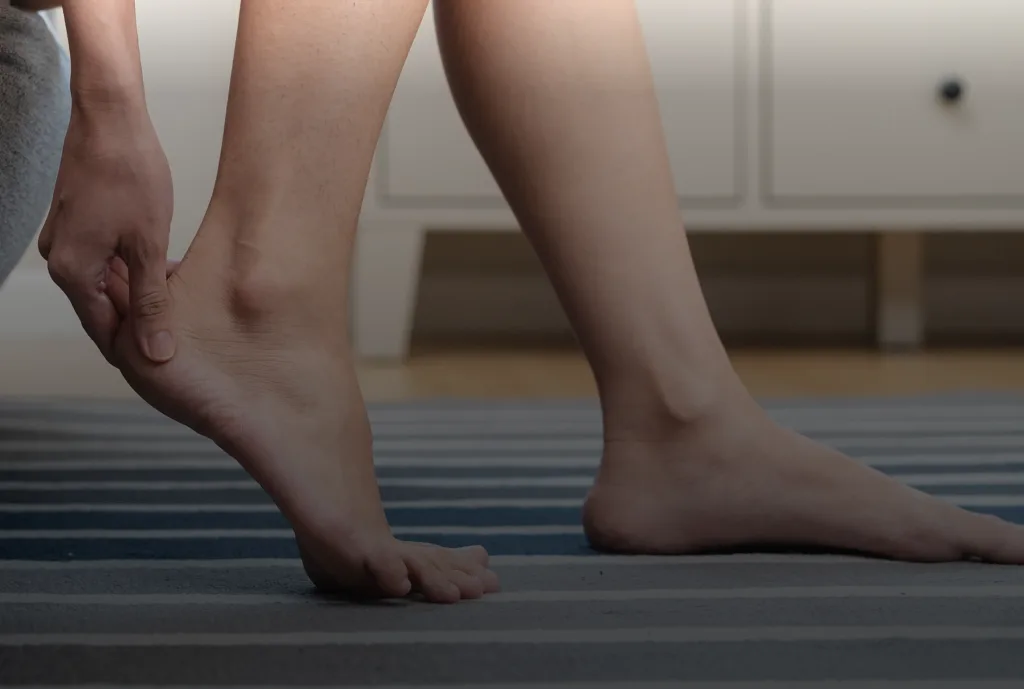
Plantar fasciitis is one of the most common causes of heel pain and occurs when the plantar fascia, a thick band of tissue that runs along the bottom of the foot, becomes irritated or inflamed. This condition often causes sharp, stabbing pain near the heel, especially with the first steps in the morning or after long periods of rest. Overuse, improper footwear, flat feet, or high arches can place excessive stress on the plantar fascia, leading many patients to seek treatment when the pain begins to interfere with walking or daily activities.
Achilles tendonitis develops when the tendon that connects the calf muscles to the heel bone becomes inflamed due to overuse or repetitive stress. This strong band of connective tissue plays a crucial role in walking, running, and jumping, and irritation can cause pain, stiffness, or swelling at the back of the heel. Patients often notice worsening discomfort during activity or after exercise, making early treatment essential to prevent further damage or long-term complications.
Heel spurs are bony growths that form on the underside or back of the heel bone, often developing over time due to prolonged strain on foot muscles and ligaments. While some heel spurs cause no symptoms, others can lead to significant pain, especially when walking or standing for extended periods. They are frequently associated with plantar fasciitis and may prompt patients to seek care when persistent heel pain does not improve with rest or changes in footwear.
Tarsal tunnel syndrome occurs when the tibial nerve becomes compressed as it travels through the tarsal tunnel near the ankle. This condition can cause heel pain along with burning, tingling, numbness, or shooting sensations that may extend into the arch or toes. Symptoms often worsen with prolonged standing or walking, leading patients to pursue treatment to relieve nerve pressure and restore comfort.
Heel pain related to sports injuries is common among active individuals and athletes, particularly those involved in running, jumping, or high-impact activities. Repetitive stress, sudden increases in activity, or improper training can lead to conditions such as fractures or overstretched tissues, including painful stretches of muscles and tendons. Addressing sports-related heel pain early helps reduce recovery time and lowers the risk of long-term complications.
Custom orthotics are designed to support proper foot alignment and reduce stress on the heel during everyday activities. These medical-grade devices are created specifically for each patient’s foot structure and gait, helping to distribute pressure more evenly and improve overall comfort. Unlike over-the-counter shoe inserts, custom orthotics address the underlying biomechanical issues that often contribute to chronic heel pain and can be an effective long-term treatment option.
Shockwave therapy is a non-invasive treatment that uses targeted acoustic waves to stimulate healing in damaged areas of the foot. This therapy helps increase blood flow and encourages repair within the soft tissues, making it especially beneficial for chronic heel pain that has not responded to conservative care. Many patients choose shockwave therapy because it requires no incisions and involves minimal downtime.
PRP injections use platelet-rich plasma derived from a patient’s own blood to promote natural healing. The concentrated platelets contain growth factors that help repair damaged tissue and reduce inflammation in the heel. This treatment option is often considered for patients with persistent heel pain who are looking for a regenerative approach without surgery.
Class IV laser therapy delivers powerful, focused light energy to affected areas of the foot to reduce pain and inflammation. This advanced therapy works at a cellular level to stimulate healing and improve circulation in injured tissues. Patients often appreciate that laser therapy is painless, quick, and can be used alongside other treatment methods.
Your appointment begins with a discussion of your medical history, including current symptoms, activity level, previous injuries, and any existing health conditions. Sharing this information helps us understand potential contributing factors to your heel pain and identify patterns that may affect your care.
A thorough physical examination of your foot, ankle, and lower leg will be performed to evaluate tenderness, range of motion, alignment, and areas of inflammation. This hands-on assessment helps pinpoint the source of pain and assess how your foot functions during movement.
Depending on your symptoms, additional testing may be recommended to support an accurate diagnosis. This can include imaging studies or, in some cases, blood tests to rule out underlying conditions that may be contributing to heel pain.
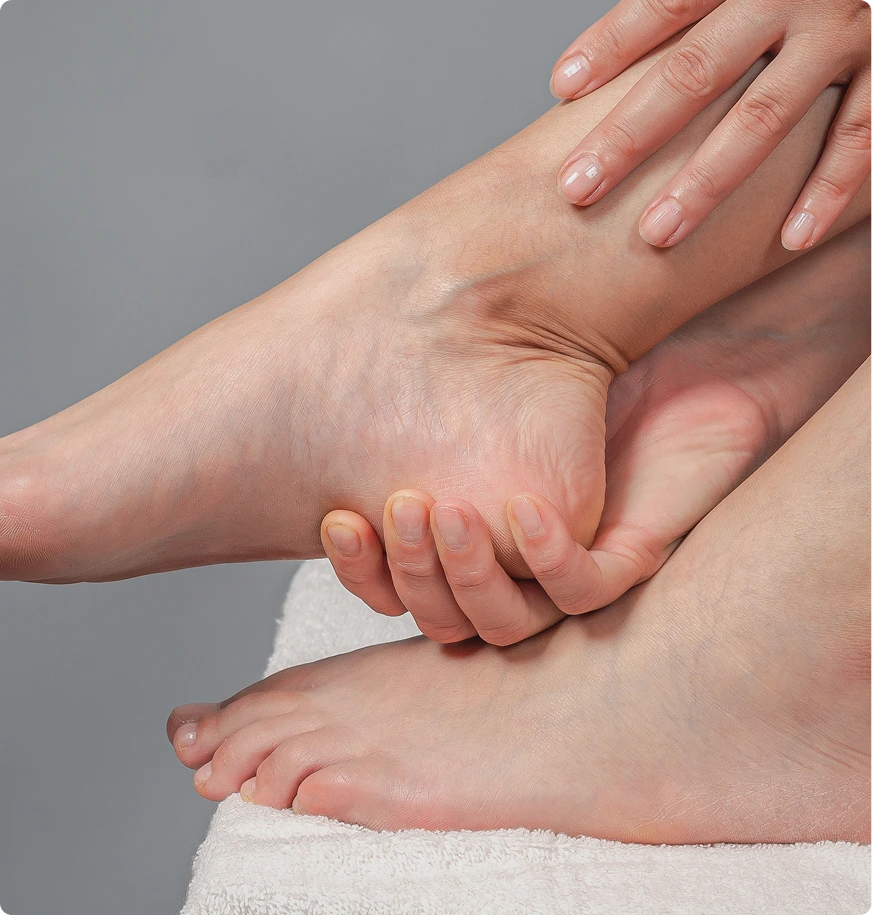
Improves comfort while walking and standing
Helps restore normal foot function and mobility
Supports faster healing after injury or strain
Lowers the risk of further foot or ankle problems
Enhances performance in work, exercise, and daily activities
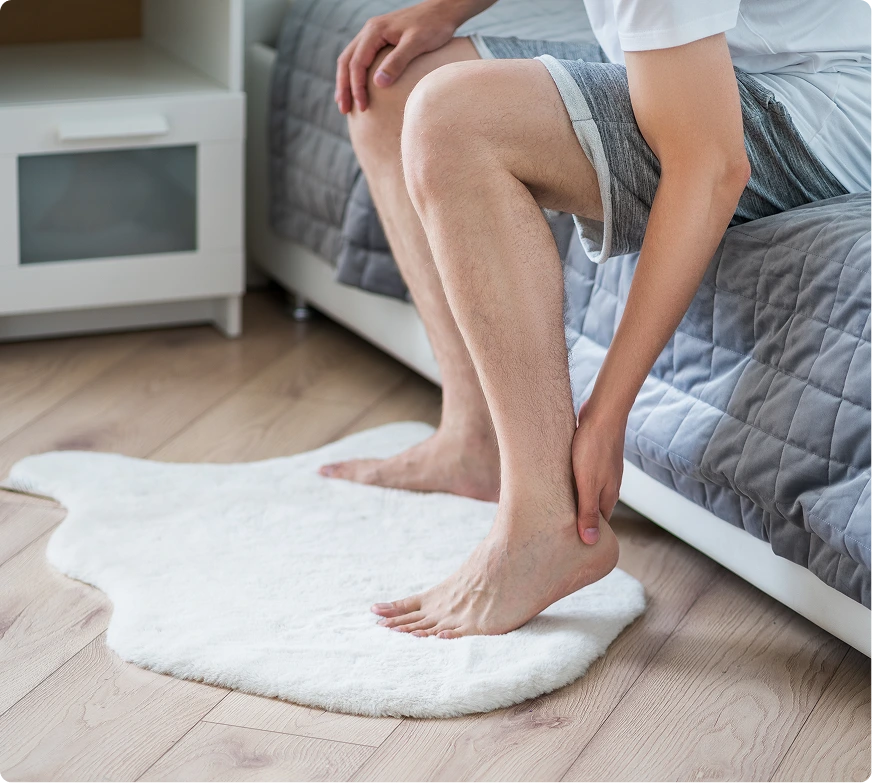

Heel pain can affect more than just your heels – it can place added stress on your toes and joints, limit mobility, and make everyday movement uncomfortable when tissues become inflamed. To receive professional heel pain treatment, Novi residents and patients from surrounding communities can turn to our practice for experienced, personalized care focused on long-term relief. Our goal is to alleviate pain, restore comfort, and help you return to the activities you enjoy without hesitation.
Take the next step toward feeling better and schedule your appointment today to start your path to pain-free walking.
Supportive shoes should be worn as long as heel pain symptoms persist and often even after pain improves, to prevent recurrence. Consistent use of proper footwear helps support healing and reduces strain on the heel during daily activities.
Yes, physical therapy is commonly used to help treat heel pain by improving flexibility, strength, and foot mechanics. It is often incorporated alongside our procedures to support healing, reduce pain, and improve long-term outcomes.