Foot & Ankle Surgery
in Novi, Livonia, Howell, Southfield

Are foot pain, swelling, or mobility issues affecting your daily life? If conservative treatments have not provided relief, surgical procedures may be the solution to restore function and eliminate discomfort. Foot and ankle surgery can correct structural deformities, repair damaged tendons, and alleviate chronic pain, helping you get back to the activities you enjoy.
Surgical procedures for foot and ankle conditions range from minimally invasive techniques to more complex reconstructions. Whether you are dealing with bunions, hammertoes, Achilles tendon injuries, or arthritis, surgery can provide long-term relief and improve overall foot health.

Common Conditions
That Require
Surgical Procedures

A bunion is a bony bump that forms at the base of the big toe due to joint misalignment. When bunions become painful and interfere with walking, a bunionectomy may be needed to realign the joint and relieve pressure.
Plantar fasciitis is a common cause of heel pain, resulting from inflammation of the thick band of tissue that supports the arch. If pain persists despite treatments, such as orthotics and physical therapy, a plantar fascia release surgery may be recommended.
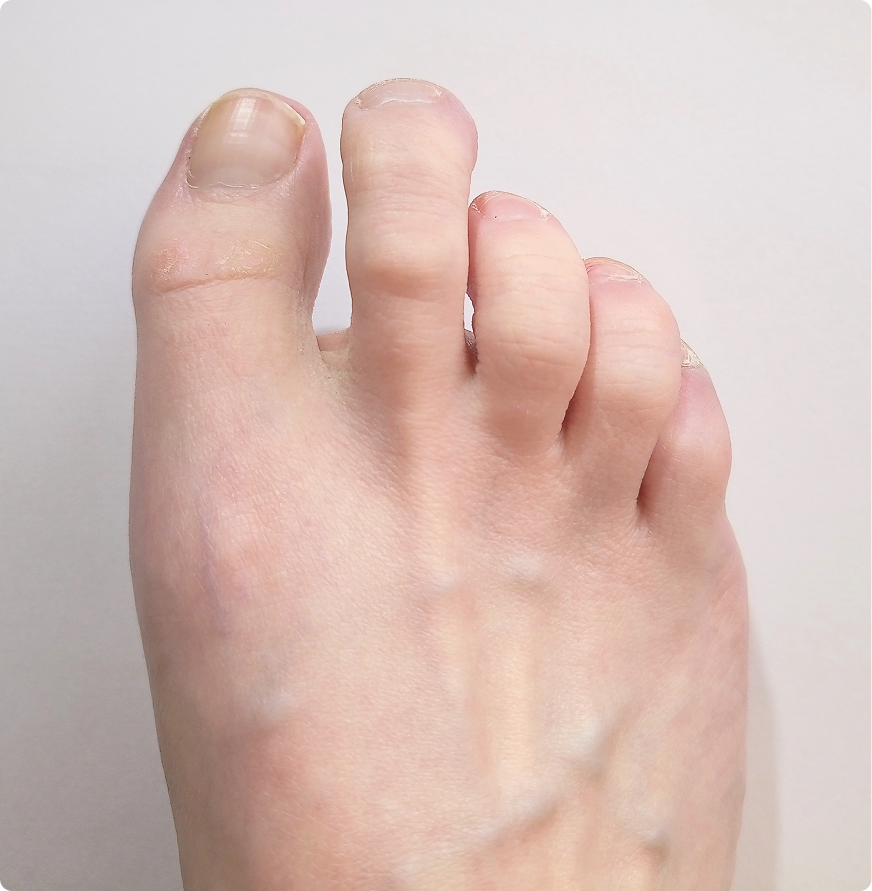
Hammer toes occur when the toes become bent due to muscle and tendon imbalances. If the deformity becomes rigid and painful, surgical correction can straighten the toe and restore function.
A torn or ruptured Achilles tendon can cause severe pain and limit movement. Surgical repair may be necessary to restore strength and flexibility, especially for active individuals.
Severe arthritis in the foot or ankle can lead to chronic pain and stiffness. Procedures such as joint fusion or joint replacement can help improve mobility and reduce discomfort.
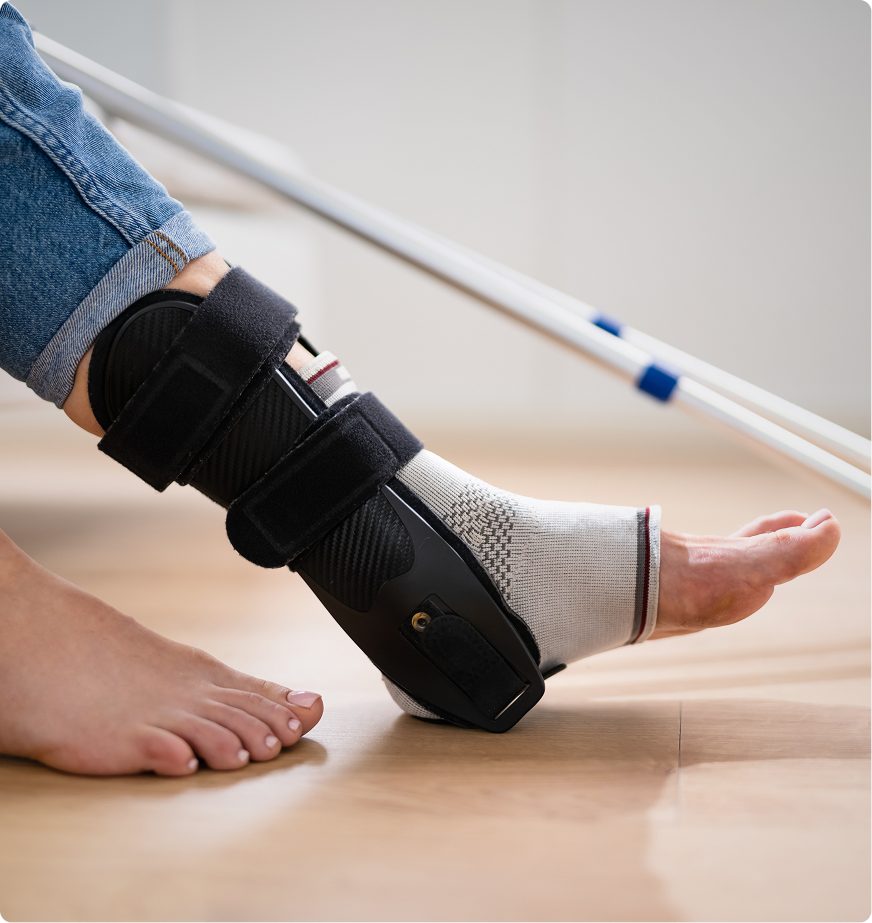
Complex fractures or injuries that do not heal properly may require surgical intervention to realign the bones and restore stability.

Types of Surgical Procedures for Foot
and Ankle Conditions

A bunionectomy is a surgical procedure to correct bunions, which are bony bumps that form on the joint at the base of the big toe. This procedure involves removing the bunion, realigning the toe, and sometimes stabilizing the joint with screws or plates. It helps relieve pain and prevents further joint damage.
Chronic plantar fasciitis can lead to severe heel pain that does not improve with conservative treatments. Plantar fascia release surgery involves cutting part of the plantar fascia ligament to relieve tension and reduce inflammation. This procedure is typically recommended for patients who have not responded to orthotics, physical therapy, or corticosteroid injections.
A ruptured or severely damaged Achilles tendon often requires surgical repair to restore function and prevent long-term mobility issues. The procedure involves stitching the torn tendon together or using grafts from other tissues to strengthen the repair. Recovery includes physical therapy to regain strength and flexibility.
Hammer toes occur when the toe becomes permanently bent due to muscle imbalances. When conservative treatments fail, surgery may be needed to straighten the toe by releasing tight tendons or fusing the affected joint. This procedure restores normal toe alignment and reduces pain caused by friction in shoes.
Ankle arthroscopy is a minimally invasive procedure used to diagnose and treat joint issues, such as cartilage damage, bone spurs, and ligament injuries. Small incisions are made to insert a tiny camera and surgical tools, allowing for precise treatment with minimal tissue disruption. This procedure often results in faster recovery times compared to open surgery.
Joint fusion surgery is performed to treat severe arthritis or instability in the foot or ankle. This procedure involves permanently joining bones together to eliminate painful movement. While this limits flexibility in the joint, it significantly reduces pain and improves stability for walking.

What to Expect
Before, During, and After Surgery

Understanding the surgical process can help ease anxiety and ensure a smooth recovery. We guide our patients through every step, from pre-operative preparation to post-surgical care. Here is what you can expect before, during, and after foot and ankle surgery.

Candidates for Foot and Ankle Surgery

Foot and ankle surgery is typically considered for patients who have not found relief through conservative treatment options. Ideal candidates often experience chronic conditions or foot problems that significantly impact daily life, mobility, or overall foot health.
Patients with complex foot conditions, such as severe bunions, hammertoes, or structural deformities, may require reconstructive foot surgery to restore alignment and function. Surgery can address both soft tissue and bone-related issues, providing long-term relief and improving stability.
Before recommending surgery, your podiatrist will evaluate all treatment options, including non-surgical approaches like orthotics, physical therapy, and medication. Those who continue to experience pain, limited mobility, or persistent deformities despite these measures may be ideal candidates for surgical intervention.
Benefits of
Surgical Procedures

Risks of Surgical Procedures

Cost of Foot and
Ankle Surgery in
Novi, Southfield,
Howell, Livonia

The cost of foot and ankle surgical procedures varies based on several factors, including the type of procedure, the complexity of the condition, and whether the surgery is performed in an outpatient facility or hospital setting. At Foot Healthcare Associates, we believe in transparent pricing and helping patients understand their financial options before undergoing surgery.

Why Choose Foot HealthCare
Associates for Surgical Procedures

Choosing the right podiatric surgeon is essential to achieving the best outcome for foot and ankle surgery. We provide expert surgical care with a patient-centered approach, ensuring that every procedure is performed with precision, safety, and compassion.
  • Our team consists of board-certified podiatrists with years of experience in foot and ankle surgery.
  • We specialize in both minimally invasive and complex reconstructive procedures to address a wide range of conditions.
  • We use the latest medical advancements, including 3D imaging, arthroscopic techniques, and state-of-the-art surgical equipment to improve accuracy and reduce recovery time.
  • Our minimally invasive procedures allow for smaller incisions, less pain, and faster healing.
  • Every patient receives a comprehensive evaluation to determine the most effective surgical approach for their condition.
  • We consider each individual’s lifestyle, activity level, and overall health to create a customized treatment and recovery plan.
  • Our team provides clear guidance on pre-surgical preparation, ensuring that patients are ready for their procedure.
  • Post-operative follow-up care includes monitoring healing progress, pain management strategies, and rehabilitation recommendations.
  • We have multiple locations in Novi, Southfield, Howell, and Livonia, making expert podiatric care accessible to patients across Michigan.
  • Our team works with most major insurance providers and offers flexible payment options to ensure that financial concerns do not prevent necessary treatment.

Frequently Asked Questions (FAQ)

Pain after foot surgery varies depending on the procedure and the individual patient. Our team prioritizes effective anesthesia and post-operative pain management to ensure your comfort. Most patients report only mild to moderate discomfort, which can be controlled with medications, ice, elevation, and rest. Recovery plans are customized to minimize pain while promoting healing and mobility.
Yes, our physicians are board-certified and highly trained in diagnosing and treating a wide range of foot and ankle conditions. They combine years of experience with advanced surgical techniques to ensure safe care tailored to each patient’s needs.
At our office, we aim to provide comprehensive care for every patient, addressing everything from routine concerns to complex cases. Our specialists focus on joint preservation, fracture care, and reconstructive rearfoot surgery, using advanced techniques to restore function and reduce pain. Patients consistently praise the outstanding service and individualized attention they receive, making us a trusted choice for foot and ankle health.
Many patients with ankle trauma or sports injuries can improve with non-surgical care. However, cases requiring foot and ankle reconstruction or total ankle replacement may need surgery if conservative measures fail. Our team uses the latest technology to accurately diagnose and treat injuries, providing the best possible outcomes, whether surgical or non-surgical interventions are recommended.
Selecting a highly qualified surgeon involves looking at their education, training, and experience. Ideal surgeons have extensive orthopedic trauma training, completed an orthopedic surgery residency, and specialized in foot and ankle care through a foot and ankle fellowship. Many hold a medical doctor degree and a science degree, have published multiple research articles, and have been trained at a renowned university. Choosing an experienced orthopedic surgeon ensures the highest quality care and optimal outcomes.

Take the First Step Toward
Pain-Free Movement

If foot or ankle pain is affecting your daily life, the right surgical procedure can provide lasting relief and restore mobility. Our expert podiatrists are committed to delivering high-quality surgical care with a focus on patient comfort and long-term success.
Do not let foot pain hold you back any longer. Schedule a consultation today to learn more about your surgical options and take the first step toward a healthier, more active life.