
Our podiatrists diagnose and treat ganglion cysts on the top of the foot, the ankle and the sole, from simple padding and in-office drainage to surgical removal, at our offices in Novi, Southfield, Howell and Livonia.
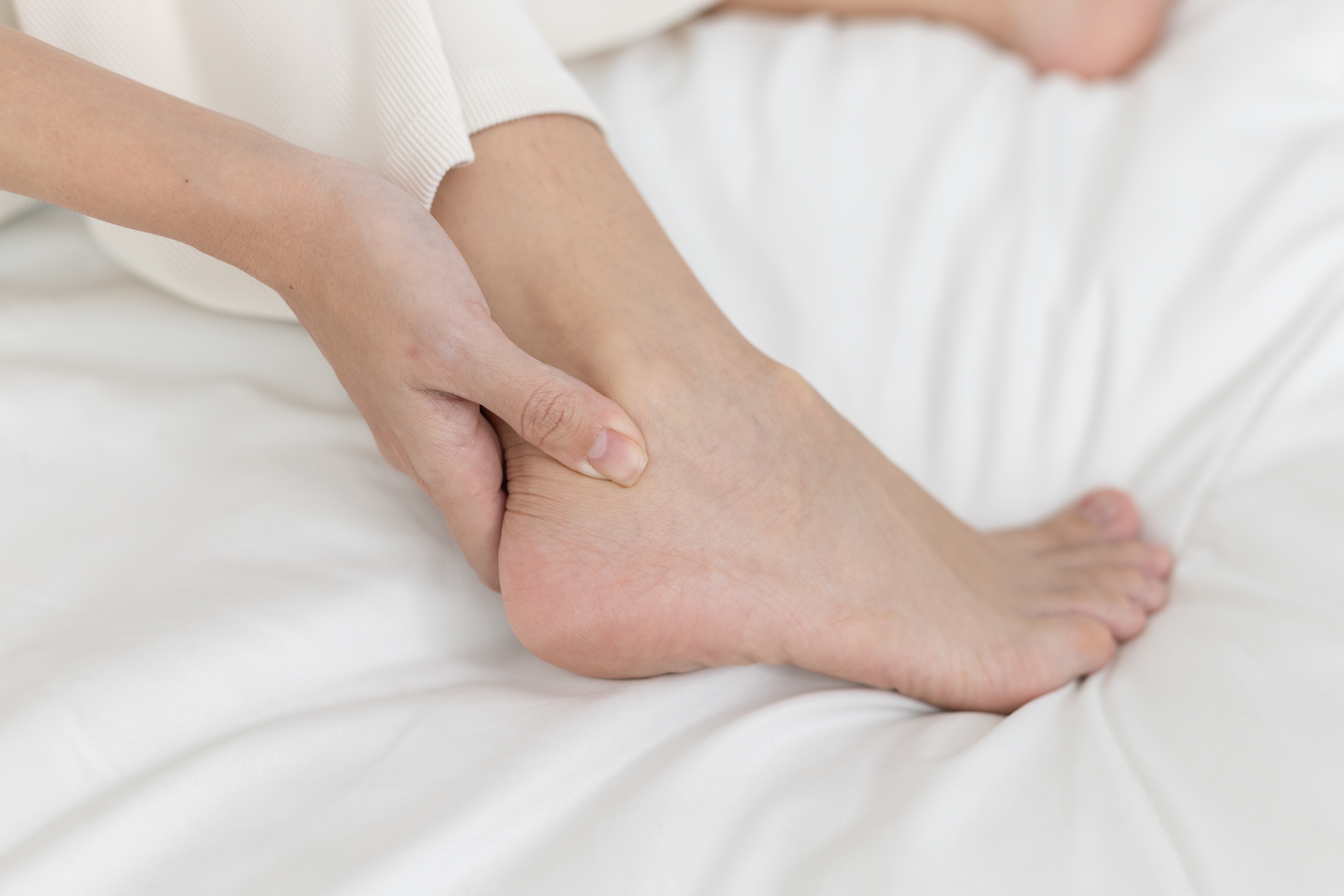
A ganglion cyst is a fluid-filled sac that grows out of a joint lining or tendon sheath. It is not cancer and it does not spread, but on the foot it often rubs against a shoe or presses on a nerve.

A small cyst that does not hurt can often be watched. Schedule a visit when you notice any of these signs.
Do not try to pop a cyst or hit it with a heavy object. This old home remedy can break bones, injure the tendon or cause an infection, and the cyst usually returns.
Treatment depends on the size of the cyst, where it sits and how much it bothers you. We start with the simplest option that fits.
We examine the lump and can use ultrasound, X-rays or computed tomography to confirm it is filled with fluid and not a solid growth such as a fibroma.
Many ganglion cysts shrink or go away on their own. If yours is small and painless, we may simply check it again at a later visit.
Pads, different lacing and roomier shoes take pressure off the cyst. Custom orthotics can help when a cyst on the sole hurts with each step.
After numbing the area, the doctor drains the fluid with a needle and may inject a steroid to calm the lining. It takes about 15 minutes in the office, though cysts often return after drainage.
Our foot and ankle surgeons remove the cyst along with its stalk when it keeps returning, presses on a nerve or makes shoes painful. Removing the stalk lowers the chance of it coming back.
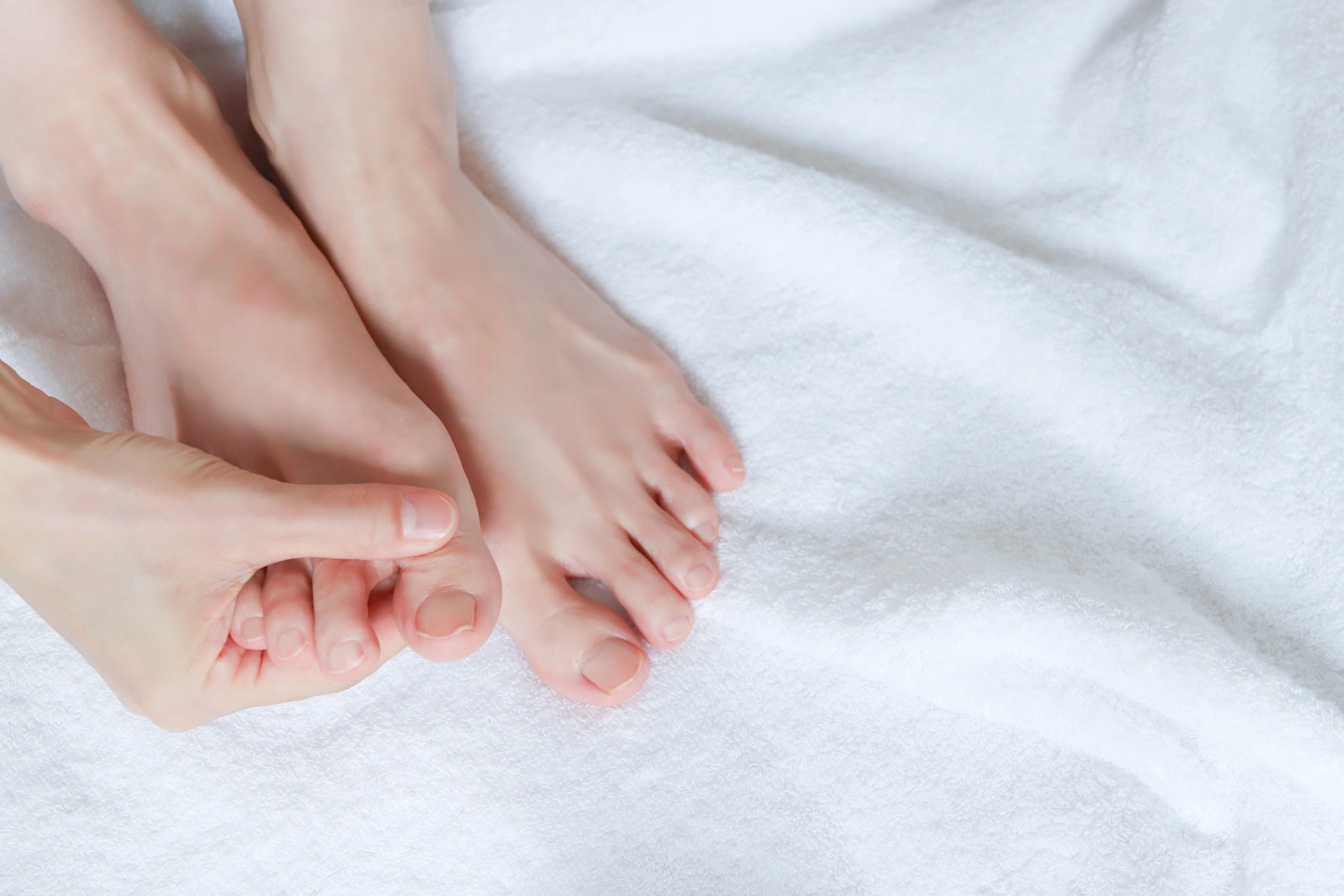
Most patients leave the first visit knowing what the lump is and what comes next.
We ask when it appeared, whether it changes size and what makes it hurt.
A hands-on exam and imaging when needed rule out other causes of a foot lump.
We explain each option, how likely the cyst is to return and the recovery time involved.
Drainage can often happen the same day, and we see you again to check that the area has settled.
The cost of ganglion cyst treatment in Novi, MI averages $200 to $8,000 without insurance, depending on whether the cyst is drained in the office or removed in surgery.
Draining the cyst with a needle, with or without a steroid injection.
Removing the cyst and its stalk, including surgeon and facility fees.
Treatment for a painful cyst is usually covered. We check your insurance before your visit.
Our doctors drain cysts in the office, and our board-certified foot and ankle surgeons remove the ones that keep coming back.



Ganglion cyst care is available at all four of our offices. Choose the one closest to you.
We accept Blue Cross and employer United Healthcare plans, and we verify your coverage before your visit.
Yes. Many cysts shrink or disappear without treatment, especially small ones. A cyst that hurts, grows or presses on a nerve usually needs care, and one that vanished can come back later.
No. A ganglion cyst is benign and does not turn into cancer. Because other lumps can look similar, we confirm the diagnosis before recommending a plan.
The area is numbed first, so most people feel only pressure. You can usually walk out of the office the same day and return to normal shoes soon after.
Most patients return to regular shoes in two to four weeks, and some wear a protective boot for part of that time. Your surgeon gives you a timeline based on where the cyst was.
Cysts return often after drainage, which is why we may suggest a second drainage or surgery for a stubborn cyst. Removing the cyst with its stalk lowers the chance of it returning.
A plantar fibroma, a bone spur, a swollen tendon or a lipoma can all feel like a cyst. Our article on when to worry about a ganglion cyst explains the warning signs.